
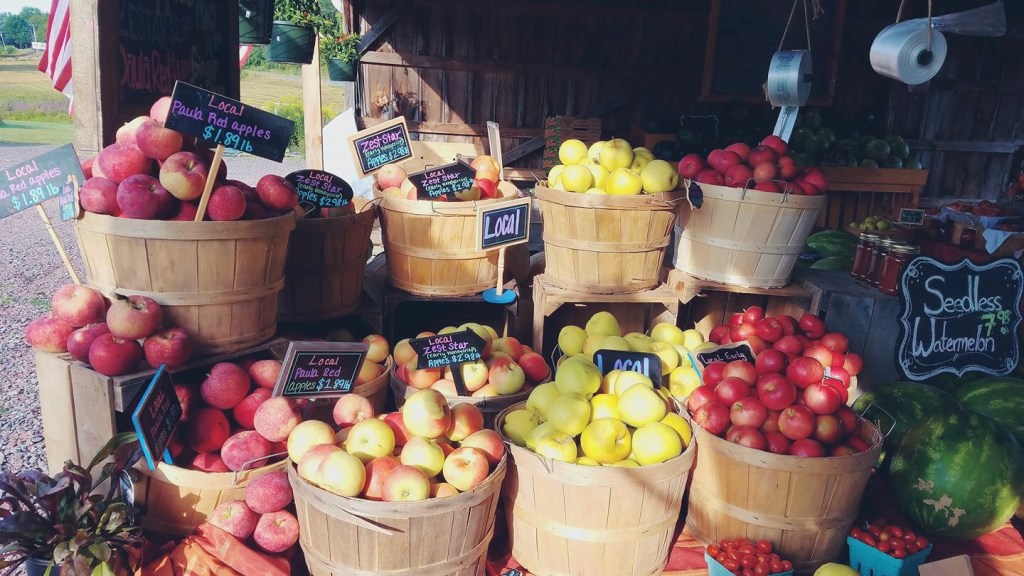
Fall has left its signature, and just like the leaves on the trees, the produce section of your local grocery store is transitioning seasons. The official first day of autumn isn’t until September 22, but most of mother nature’s fall collection is waiting to be enjoyed.
From pumpkin pancakes to apple cider sangria, there are endless ways to enjoy everything that the season has to offer, and finding the freshest produce when testing new recipes is very important. Here are a few tips to help you pick your fall produce at the peak of freshness.
APPLES
I think it’s safe to say that apples are an essential part of any fall produce lover’s diet.
Similar to squash and pumpkins, there isn’t a shortage of apple varieties available to those that want to mix things up a little bit throughout the season. There are over 2,500 different varieties of apples grown in the United States alone, according to a study conducted by the University of Illinois.
Some of the most popular varieties grown in the Adirondack region of New York include, red delicious, McIntosh, Granny Smith, Ginger gold, gala and honeycrisp. Whether you’re making apple cider or fine tuning a recipe for the perfect apple pie, avoiding any “bad apples” is very important.
“Apples should be firm,” Francis Mckinney said. “Don’t squeeze them, but they should feel similar to a softball or baseball when cupped in your hand.”
Mckinney is the produce manager at Pattie’s Patch, a produce market and country store located in Hampton, N.Y.
“You’ll also want to avoid apples that have bruises or blemishes on them,” she said. “Even the smallest brown spot can change the taste of the entire apple.”
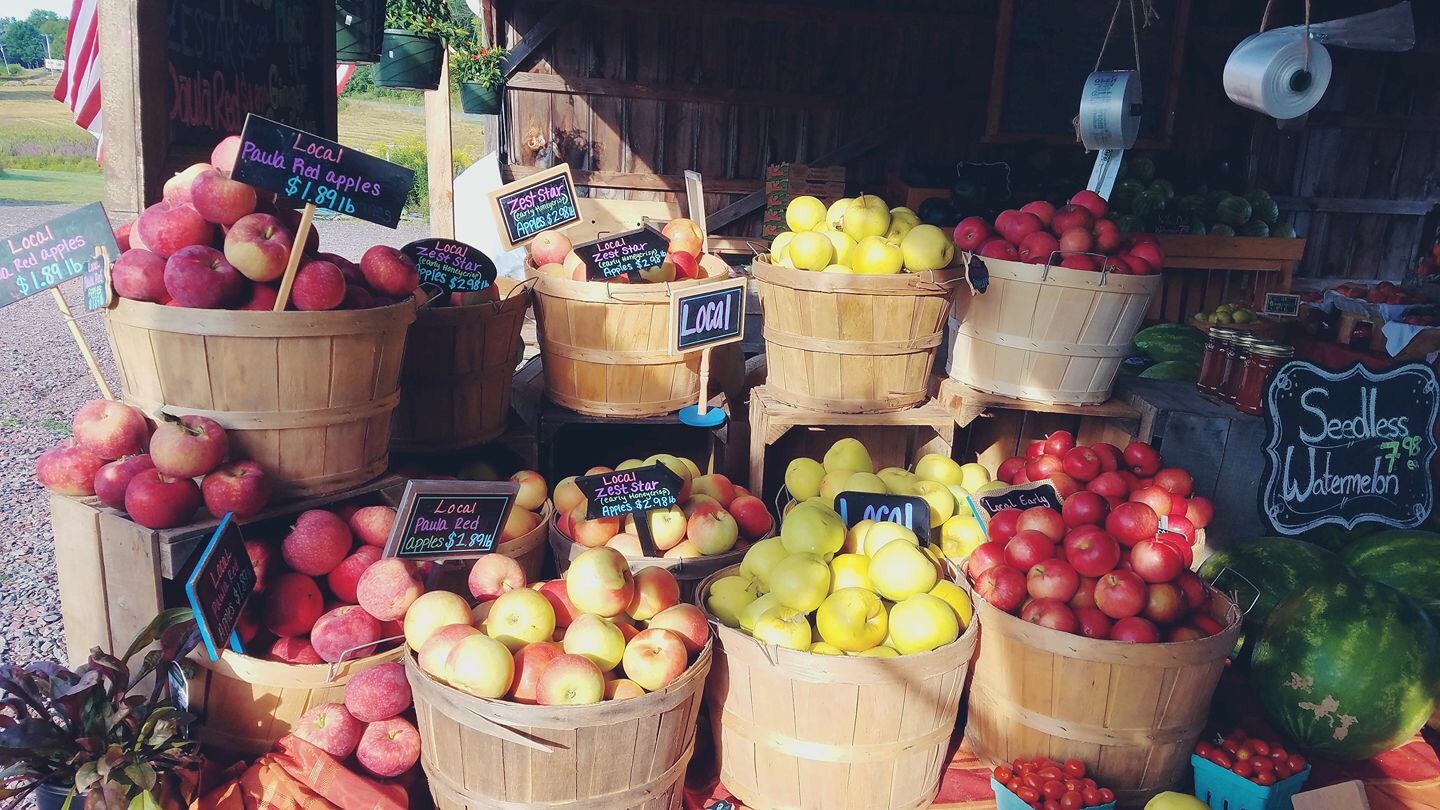
There might actually be some truth to the saying ‘anapple a day keeps the doctor away’, according to Adirondack.net. Autumn crisp apples contain high levels of vitamin C, according to the site.
“Vitamin C is a powerful antioxidant that helps to repair and regenerate tissues, protect against heart disease and aid in the absorption of iron,” according to WebMD.
Once you’ve picked the perfect apples, storing them in a cool place is very important. As apples ripen, they produce ethylene, a gas that is known to shorten the shelf life of fruits, such as apples, strawberries, bananas or oranges, so chilling your apples will allow you to keep them for up to six to eight weeks, according to Mckinney.
I usually enjoy my apples with a little peanut butter or honey. Mckinney suggests adding sliced Granny Smith apples to your next turkey sandwich for more flavor.
SQUASH
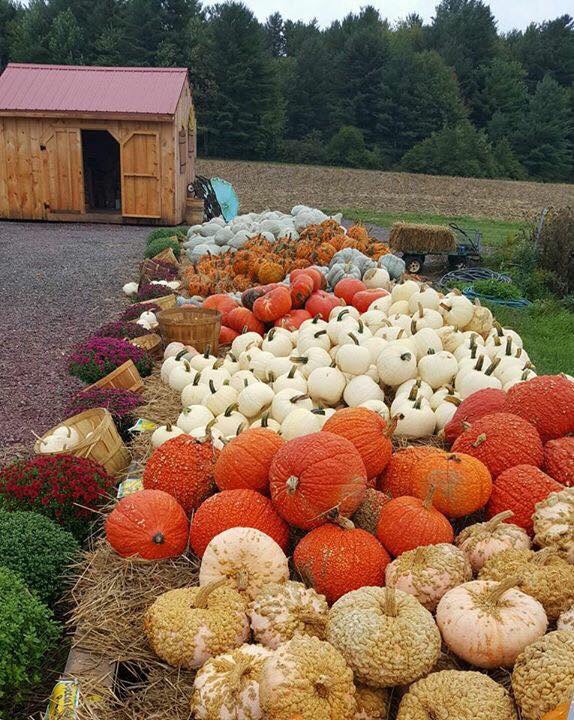
You can’t talk about fall produce without mentioning squash. The warm orange and yellow coloration of some winter squash remind me of changing leaves. Oddly enough, the fall favorite isn’t actually classified as fall produce. Squash is broken down into two classifications, summer and winter, and those terms are based on usage instead of actuality, according to McKinney.
Basically, the harvesting season for winter squash actually takes place at the end of summer and continues into the autumn months. As you can see in the photo, winter squash comes is a wide variety of colors, shapes and sizes, each with its own flavor and texture. And with each one, comes different signs of freshness.
Acorn squash is definitely my favorite of the winter squash varieties. Acorn squash are dark green in color and have a sweet, nutty flavor. My preferred method of cooking them is to roast them at 400 degrees for 30 to 35 minutes with a little olive oil, rosemary and sea salt.
Acorn squash should always have a yellow spot. When buying them, the size of the yellow mark can give you a better idea of how long it took for the squash to grow, according to Pierce Manley, a produce supervisor at a Shaw’s Market, located in Vermont.
“The size of the spot is determined by the amount of time that it took to reach its peak while growing on the ground,” he said.
“There should also be a stem attached to the squash.”
If there isn’t a stem attached to the squash, it can be easier for mold to grow on the inside, according to Manley.
PUMPKINS
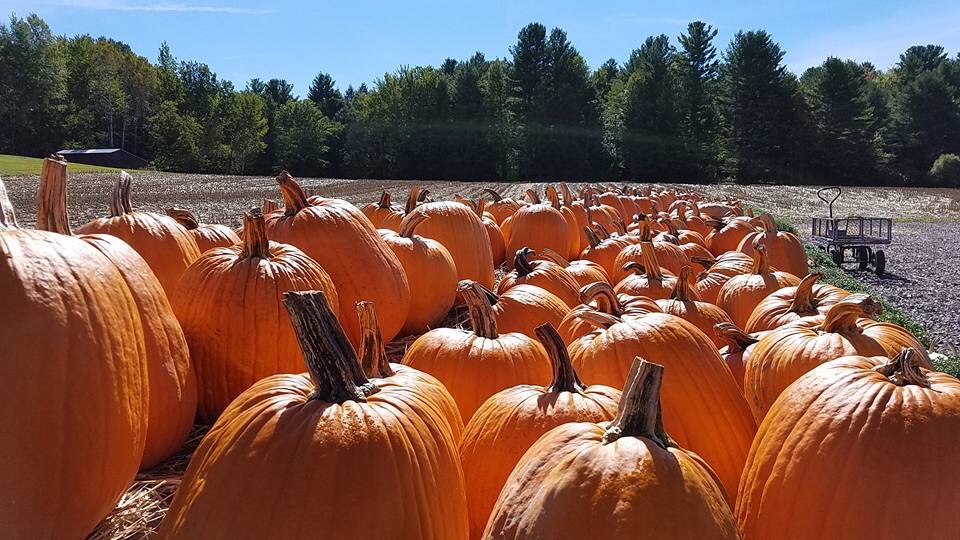
Carving a pumpkin is one of my favorite fall activities, and eating the leftover pumpkin seeds definitely, makes up for having to touch the gooey mess on the inside. Pumpkins come in all shapes and sizes, and they are actually considered to be a type of squash plant.
When choosing a pumpkin, always look for soft spots, mold, wrinkles or open cuts that might indicate your pumpkin is starting to spoil. If you are going to carve it, make sure to choose a pumpkin with a solidly attached stem. If you can find one with a green stem, that indicates the pumpkin was harvested recently.
 all Platts now
Leave a comment